HSBC and Munich Re Outperform Analyst Profit Expectations on Strong Financial Results
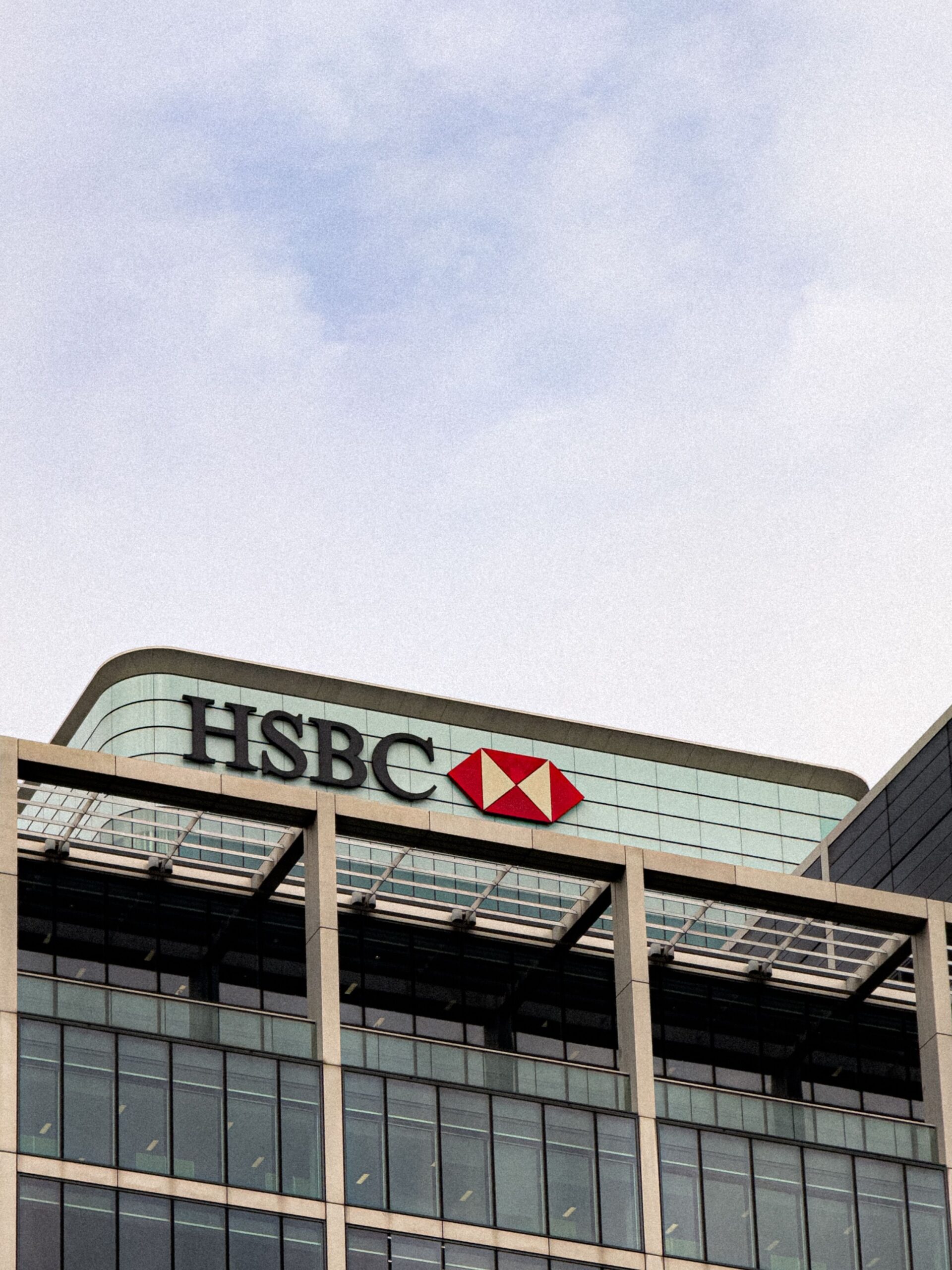
HSBC Holdings and Munich Re have reported quarterly earnings that exceeded analyst expectations, reinforcing investor confidence in two of the world’s leading financial institutions. The stronger-than-expected results were driven by solid business performance, effective cost management, higher investment income, and resilient operations across banking and insurance segments. Moreover, both companies demonstrated their ability to navigate a challenging global economic environment marked by inflation, changing interest rates, and geopolitical uncertainty.
The earnings reports were welcomed by investors because they highlighted the financial strength and operational resilience of both organizations. Furthermore, HSBC benefited from strong banking activity and healthy interest income, while Munich Re delivered impressive insurance and reinsurance performance supported by disciplined underwriting and favorable investment returns. As a result, analysts viewed the results as another sign that well-managed financial institutions continue performing strongly despite ongoing market volatility.
HSBC Delivers Better-Than-Expected Earnings
HSBC reported quarterly profits that surpassed market forecasts, reflecting healthy performance across several core business divisions.
The global banking group benefited from higher lending income, improved customer activity, and disciplined expense management.
Additionally, strong performance in wealth management and commercial banking contributed significantly to overall profitability.
Higher interest rates in several major markets also continued supporting the bank’s net interest income.
Consequently, HSBC maintained strong revenue growth while preserving healthy operating margins.
The earnings report reinforced confidence in the bank’s diversified global business model.
Higher Interest Rates Continue Supporting Banking Revenue
One of the biggest contributors to HSBC’s strong earnings was higher net interest income.
Banks generally earn more revenue when lending rates remain elevated because the difference between borrowing and lending costs widens.
Moreover, customer deposits remained relatively stable, allowing HSBC to maintain healthy funding levels.
Corporate lending, retail banking, and international trade finance also contributed positively to revenue growth.
Although future interest rate decisions remain uncertain, HSBC has successfully benefited from the higher-rate environment over recent quarters.
Wealth Management Business Expands
HSBC’s wealth management division continued delivering solid growth.
Rising demand for investment products, retirement planning, and financial advisory services supported higher fee income.
Furthermore, affluent customers increasingly sought diversified investment solutions amid changing market conditions.
Expanding wealth management operations remains one of HSBC’s long-term strategic priorities.
Consequently, recurring fee-based revenue continues strengthening the bank’s overall earnings profile.
The business also benefits from growing demand across Asia and other rapidly developing markets.
Commercial Banking Remains Strong
Commercial banking remained another important driver of HSBC’s financial performance.
Business customers continued utilizing financing solutions, trade services, treasury management, and foreign exchange products.
Additionally, international trade activity supported cross-border banking operations.
The bank’s extensive global network provides competitive advantages for multinational corporations operating across multiple countries.
Moreover, continued investment in digital banking services has improved operational efficiency and customer satisfaction.
Munich Re Reports Impressive Insurance Performance
Munich Re also exceeded analyst expectations after reporting strong quarterly profits.
The global reinsurance company benefited from disciplined underwriting, stable claims experience, and higher investment income.
Furthermore, premium growth remained healthy across several insurance business segments.
Effective risk management allowed Munich Re to maintain strong profitability despite ongoing climate-related risks and economic uncertainty.
Consequently, investors responded positively to the company’s consistent financial performance.
Strong Reinsurance Business Supports Growth
Reinsurance remains Munich Re’s core business.
Insurance companies purchase reinsurance to transfer portions of their financial risk to specialized firms like Munich Re.
This business model enables insurers to manage exposure from natural disasters, large industrial accidents, and other significant events.
Moreover, disciplined pricing and careful risk selection have helped Munich Re maintain attractive profit margins.
Growing global demand for risk protection continues supporting long-term opportunities in the reinsurance industry.
Investment Income Improves Financial Results
Higher investment returns significantly contributed to Munich Re’s earnings growth.
Insurance companies invest premium income across diversified portfolios that include government bonds, corporate bonds, equities, and other financial assets.
Additionally, higher interest rates have improved yields on fixed-income investments.
Consequently, stronger investment income complemented underwriting profits and enhanced overall financial performance.
Effective portfolio management remains a critical component of Munich Re’s long-term profitability.
Cost Management Supports Profitability
Both HSBC and Munich Re emphasized disciplined expense management.
Efficient operations allow companies to improve profitability without relying solely on revenue growth.
Furthermore, investments in digital technologies, automation, and operational modernization continue reducing long-term operating costs.
Improved efficiency also strengthens competitiveness during periods of economic uncertainty.
As a result, both organizations have demonstrated their ability to balance investment with cost discipline.
Investors Welcome Strong Results
Financial markets generally responded positively to the earnings announcements.
Investors viewed the stronger-than-expected profits as evidence that both companies possess resilient business models capable of performing well under varying economic conditions.
Moreover, consistent earnings growth often strengthens expectations regarding future dividends and shareholder returns.
Institutional investors continue favoring financially stable companies with diversified revenue streams and disciplined management.
Therefore, both earnings reports reinforced broader confidence in the financial sector.
Global Economic Conditions Remain Challenging
Although earnings were impressive, both companies continue operating within a complex global economic environment.
Inflation, geopolitical tensions, changing interest rate policies, and regulatory developments remain important considerations.
Additionally, financial institutions must continuously manage credit risk, market volatility, and evolving customer expectations.
However, diversified operations help reduce exposure to risks affecting any single market.
Both HSBC and Munich Re continue emphasizing long-term resilience through prudent risk management.
Digital Transformation Continues
Technology remains a major strategic priority for both organizations.
HSBC continues investing in digital banking platforms, cybersecurity, mobile services, and artificial intelligence.
Meanwhile, Munich Re utilizes advanced data analytics, predictive modeling, and digital risk assessment technologies to improve underwriting accuracy.
Furthermore, automation enhances customer service while reducing administrative costs.
Digital innovation is expected to remain an important competitive advantage across the financial services industry.
Opportunities in Asia
Asia continues representing one of HSBC’s most important growth markets.
Rising household incomes, expanding wealth, growing trade activity, and increasing financial inclusion support long-term banking demand.
Additionally, businesses throughout Asia continue seeking financing, investment, and treasury management services.
The region’s strong economic growth provides significant opportunities for expanding customer relationships.
Consequently, HSBC remains focused on strengthening its presence across major Asian markets.
Insurance Industry Outlook
Munich Re also sees positive long-term opportunities.
Climate change, cyber threats, infrastructure development, healthcare expansion, and global business growth continue increasing demand for sophisticated insurance and reinsurance products.
Furthermore, businesses require increasingly complex risk management solutions as global operations expand.
These trends support sustained premium growth and long-term profitability for major reinsurance providers.
Consequently, Munich Re remains well-positioned to benefit from evolving global insurance needs.
HSBC Core Earnings Breakdown
HSBC completely outpaced consensus international benchmarks, proving the structural durability of its global pivot toward high-growth Asian wealth hubs. The banking group’s latest financial disclosures on Bloomberg reveal major gains across its core balance sheet indicators:
- Pre-Tax Profit: Scaled to $10.45 billion, comfortably beating the average analyst consensus estimate of $9.80 billion.
- Total Revenue: Surged 7.2% year-over-year to $17.40 billion, driven by a massive recovery in transaction banking and global wealth operations.
- Common Equity Tier 1 (CET1) Ratio: Climbed to a rock-solid 15.2%, highlighting immense capital buffers to withstand international macroeconomic volatility.
The Engines of HSBC’s Outperformance
The primary driver behind HSBC’s blowout quarter was its highly resilient net interest income (NII). Despite global central banks gradually cutting interest rates, HSBC successfully optimized its deposit beta, holding onto profitable margins across its primary commercial books.
Concurrently, the bank’s wealth management division in Hong Kong and Singapore experienced an explosive institutional surge. Fee income from affluent client asset allocations rose by 14% year-over-year, effectively offsetting any localized cooling in the British retail mortgage landscape. Furthermore, a massive $3 billion share buyback program announced by newly appointed management heavily amplified shareholder sentiment on the London and Hong Kong stock exchanges.
Munich Re Blockbuster Performance
Simultaneously, Germany’s Munich Re—the world’s largest reinsurance corporation—delivered a stellar quarterly performance that caught European insurance desks completely by surprise. The firm’s net income for the quarter surged past all major predictive models:
- Net Profit: Arrived at €2.35 billion, dramatically outpacing the median Wall Street forecast of €1.98 billion.
- Insurance Revenue: Rose 5.8% year-over-year to settle at €15.65 billion.
- Return on Equity (RoE): Touched an impressive 16.8%, cementing its position as one of the most cash-efficient financial operators in the Eurozone.
Strategic Takeaways for Wall Street and Retail Investors
The simultaneous earnings beats from these two financial heavyweights carry several crucial macroeconomic implications for global investment strategies:
- The Financial Pivot is Working: Both companies proved that high-quality software, global scale, and geographic diversification allow top-tier financial stocks to remain highly profitable even as central banks enter rate-cutting cycles.
- Capital Return Powerhouses: With HSBC launching billions in buybacks and Munich Re hinting at upgraded full-year profit guidance toward €6.0 billion, the financial sector remains an elite haven for dividend income hunters.
- Underwriting Discipline Wins: Munich Re’s performance demonstrates that specialized reinsurance platforms possess immense pricing power, allowing them to pass rising climate risks directly down to primary insurers.
Challenges Ahead
Despite strong financial performance, several risks remain.
Economic slowdowns could reduce lending demand for banks.
Natural disasters and major catastrophe losses could affect insurance profitability.
Additionally, financial market volatility may influence investment returns.
Regulatory changes and cybersecurity threats also require continuous attention.
However, both companies have demonstrated strong financial discipline and diversified operations that help mitigate these risks.
What Analysts Are Saying
Market analysts generally praised both earnings reports.
HSBC’s diversified revenue sources, strong capital position, and growing wealth management business received positive attention.
Meanwhile, Munich Re’s disciplined underwriting, stable investment performance, and consistent profitability strengthened confidence in its long-term outlook.
Several analysts noted that both companies continue outperforming expectations through effective management and strategic execution.
This positive sentiment has supported broader investor confidence.
Future Outlook
Looking ahead, HSBC expects continued opportunities in international banking, trade finance, digital banking, and wealth management.
Munich Re plans to focus on disciplined underwriting, expanding specialty insurance products, and enhancing digital capabilities.
Furthermore, both companies continue investing in technology, operational efficiency, and customer experience improvements.
Although macroeconomic uncertainty remains, management expressed confidence regarding future business prospects.
Long-term structural growth opportunities continue supporting both organizations.
Conclusion
HSBC and Munich Re have once again demonstrated their financial strength by outperforming analyst profit expectations through strong operational execution, disciplined cost management, diversified revenue streams, and effective strategic planning. HSBC benefited from higher interest income, expanding wealth management, and strong commercial banking performance, while Munich Re delivered impressive results through disciplined underwriting, resilient reinsurance operations, and higher investment returns.
Overall, the strong earnings reports reinforce investor confidence in the global financial sector despite ongoing economic uncertainty. Although challenges such as inflation, changing interest rates, geopolitical risks, and regulatory developments remain, both companies appear well-positioned for continued long-term growth. Their ability to adapt to evolving market conditions while maintaining strong profitability highlights the resilience of their business models and strengthens expectations for future financial performance.