

Wall Street Edges Sideways Ahead of Major Nvidia Earnings Report
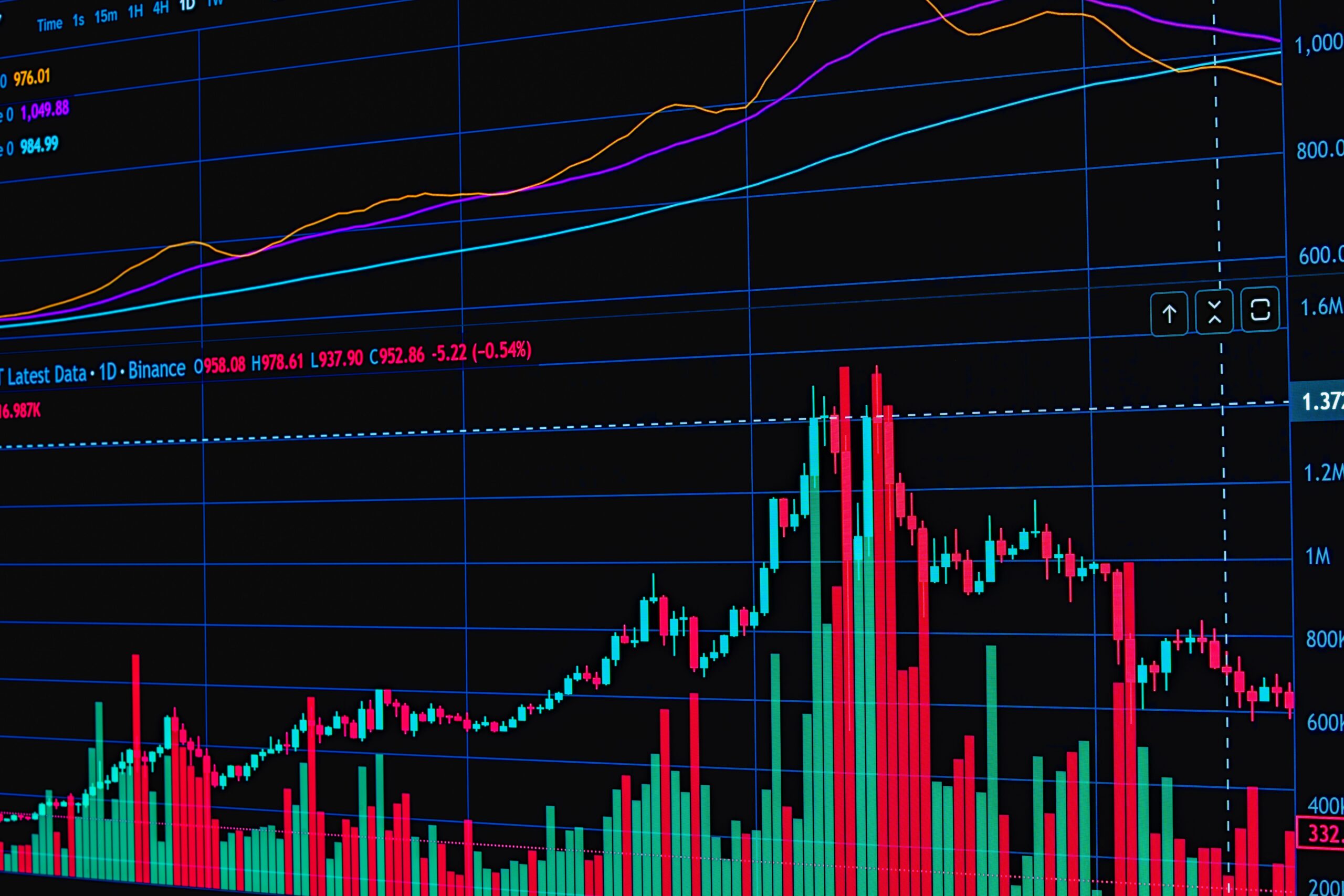
Wall Street is moving cautiously as investors wait for one of the most closely watched corporate earnings reports of the week. Nvidia is scheduled to release its latest quarterly results on Wednesday, August 26, and traders are looking for fresh evidence about the strength of artificial intelligence spending. Wall Street Sideways trading has reflected this wait-and-see mood, with investors balancing strong technology demand against concerns about high valuations, interest rates, bond yields, and the cost of the massive AI investment boom.
US stocks finished lower on Monday, with the Nasdaq Composite taking the biggest hit among the major indexes. However, the mood changed on Tuesday as technology shares recovered and US stock futures moved higher before the opening bell. Reuters reported that the Dow, S&P 500 and Nasdaq futures were all pointing to gains, while Nvidia shares were also higher in premarket trading. (kitco.com)
The cautious market action comes at an important moment. Nvidia has become one of the biggest symbols of the AI investment cycle, and its results can influence not only semiconductor shares but also the wider technology sector. Therefore, Wall Street Sideways movement does not necessarily mean investors have lost confidence. Instead, it shows that many traders are waiting for new information before making larger moves.
Why Nvidia Earnings Matter So Much
Nvidia’s quarterly report has become a major event for global financial markets. The company supplies advanced chips and systems used to build and operate artificial intelligence models. As a result, its sales provide investors with an important view of how much companies are spending on AI infrastructure.
Nvidia has grown rapidly as cloud companies, technology firms and other businesses have increased their spending on data centers and AI systems. Therefore, investors are not only interested in Nvidia’s latest revenue and profit numbers. They also want to hear what management expects for the next quarter.
This is why Wall Street Sideways trading could continue until the company releases its results. A strong report and confident guidance could encourage investors to buy technology shares. On the other hand, even a good report may not be enough if investors believe expectations have become too high.
Nvidia has officially scheduled its fiscal second-quarter earnings conference call for Wednesday, August 26, at 5 p.m. Eastern Time. The quarter ended July 26, 2026. (nvidianews.nvidia.com)
What Analysts Expect From Nvidia
Market expectations are extremely high. Reuters reported that analysts are looking for quarterly revenue of around $92 billion, which would represent almost double the revenue Nvidia generated during the same period a year earlier. (business-standard.com)
That kind of growth explains why investors are watching the report so closely. Nvidia is no longer being judged like a typical large technology company. The market expects extraordinary growth because AI demand has expanded so quickly.
Some analysts are even looking for revenue above the current consensus. Citi, for example, recently estimated July-quarter revenue at around $93 billion and pointed to strong shipments of AI networking products and continued growth in Nvidia’s Blackwell systems. (investing.com)
Therefore, Wall Street Sideways trading reflects a difficult balance. Nvidia may deliver another very strong quarter, but investors need to decide whether the results will be strong enough to justify current expectations.
The AI Boom Is Facing New Questions
The biggest question surrounding Nvidia is not whether companies want AI chips. Demand remains strong. The bigger question is whether the current pace of spending can continue.
Technology companies are investing enormous amounts of money in data centers, computing equipment, networking systems and AI software. Investors want to know whether these investments will eventually create enough revenue and productivity gains to justify their cost.
Reuters reported that investors have become increasingly cautious about cyclical spending in the AI sector and the way large cloud companies are financing their AI expansion. (kitco.com)
This concern has contributed to Wall Street Sideways trading. Investors can believe in the long-term AI story while still worrying about short-term valuations.
That distinction is important. A company can have strong business growth and still experience a falling share price if investors expected even stronger results.
Nvidia Shares Face a Big Earnings Test
Nvidia shares have already experienced some pressure ahead of the report. Reuters reported that options markets were pricing in a potential 5.4% move in Nvidia shares after earnings, which could translate into roughly $280 billion in market value in either direction. (reuters.com)
That is a huge potential move for a single company.
However, the expected movement is smaller than Nvidia’s average post-earnings move over the previous 12 quarters. Options markets had previously priced an average move of about 7.4%, according to the Reuters report.
This suggests that investors may be becoming more comfortable with Nvidia’s ability to deliver consistent results. At the same time, it could also mean that expectations have become so high that an ordinary earnings beat may not create the same excitement as before.
For Wall Street Sideways trading, this is an important point. The market may need more than simply good numbers. Investors could be looking for a clear sign that AI demand remains strong well into the next year.
Stock Market Gains Remain Limited
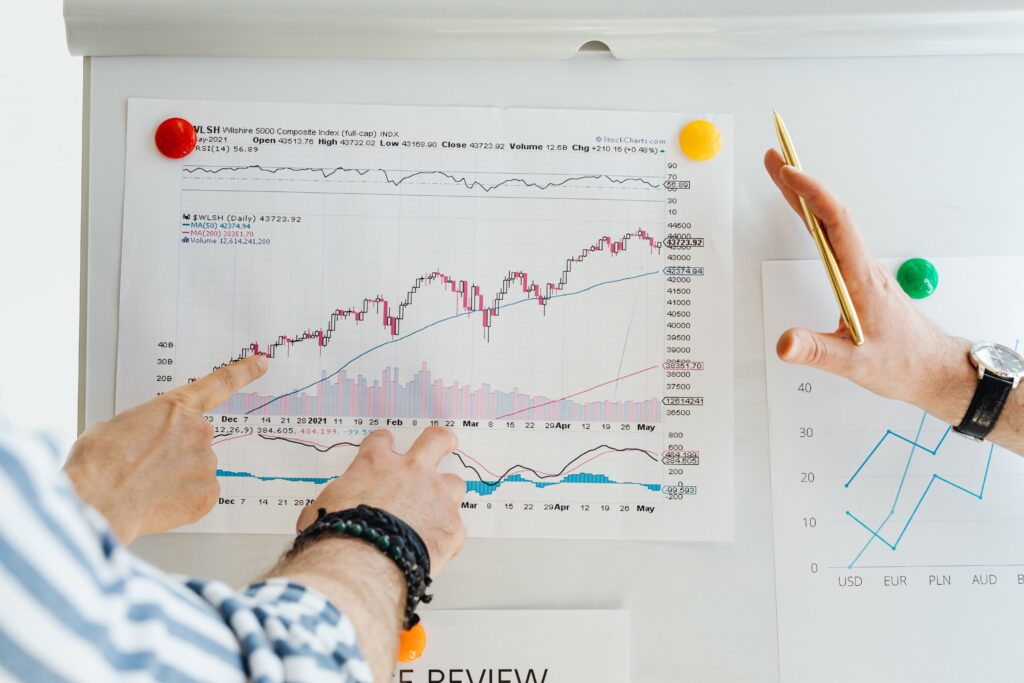
The broader US stock market has also shown signs of caution. On Monday, the Dow Jones Industrial Average gained 0.26%, while the S&P 500 fell 0.28% and the Nasdaq Composite dropped 0.76%. Nvidia shares fell about 2.9% during the session. (wsj.com)
The weakness was especially visible in technology and semiconductor stocks.
However, Tuesday brought some relief. Reuters reported that Wall Street opened higher as technology shares recovered from Monday’s selloff. The Dow rose around 0.33% at the opening, while the S&P 500 gained 0.31% and the Nasdaq Composite advanced 0.65%. (in.marketscreener.com)
This back-and-forth movement explains the current Wall Street Sideways mood. Investors have not completely moved away from stocks, but they are also not rushing into risk before several major events.
Inflation Data Is Another Key Factor
Nvidia is not the only major event this week. Investors are also waiting for US inflation data that could influence expectations for Federal Reserve policy.
The personal consumption expenditures price index, or PCE, is scheduled to provide another look at price pressures in the US economy. The data could affect expectations for future interest-rate decisions.
If inflation remains high, investors may reduce expectations for lower interest rates. Higher rates can make stocks less attractive because investors can receive better returns from relatively safer assets such as government bonds.
On the other hand, softer inflation could increase hopes for easier monetary policy.
Reuters reported that markets were watching the PCE data closely, while investors were also preparing for Federal Reserve Chair Kevin Warsh’s speech at Jackson Hole later in the week. (kitco.com)
Therefore, Wall Street Sideways trading could quickly change after the release of the inflation numbers.
Bond Yields Are Still Creating Pressure
Another factor behind the cautious market is the US bond market.
Treasury yields have remained elevated, creating additional pressure for technology stocks. Higher bond yields can affect the valuation of growth companies because investors often use interest rates when deciding how much they are willing to pay for future earnings.
The recent rise in yields has also increased concerns about the cost of financing the AI boom.
This creates an interesting situation for Nvidia and other technology companies. Their businesses may continue to grow quickly, but higher borrowing costs can make investors more careful about their valuations.
As a result, Wall Street Sideways movement may continue even if corporate earnings remain strong.
Investors Are Watching AI Spending by Big Tech
Nvidia’s results will also provide clues about spending by the world’s largest technology companies.
Cloud providers and other major businesses have been investing heavily in AI infrastructure. They need powerful chips to train and operate increasingly advanced AI systems.
If Nvidia reports strong demand and raises its outlook, investors could interpret that as evidence that AI spending remains healthy.
However, if management warns about slower orders, supply problems, customer spending changes or longer delivery schedules, technology stocks could react negatively.
This is why the Nvidia report has become much bigger than one company’s earnings. It could influence investor views about the entire AI industry.
For Wall Street Sideways markets, the company’s comments on future demand could be more important than its historical numbers.
Blackwell Chips Remain in Focus
Investors are also watching Nvidia’s Blackwell platform. The company has been increasing production and shipments of its latest AI computing systems as demand for advanced AI infrastructure continues.
Analysts expect the Blackwell ramp-up to contribute significantly to Nvidia’s future growth. Citi recently pointed to continued growth in Blackwell systems and AI networking components as reasons for its higher revenue expectations. (investing.com)
The speed of this ramp will therefore be closely watched.
If Nvidia confirms that customers are ordering Blackwell systems at a strong pace, it could provide additional confidence in the AI spending cycle.
However, investors will also want to know about supply, production and delivery timelines.
The Semiconductor Sector Has Been Strong
Despite recent volatility, semiconductor stocks have performed strongly this year.
Reuters reported that Nvidia was up 11.7% year to date even after its recent seven-day decline. At the same time, the semiconductor index had gained around 61%, showing just how powerful the broader chip rally has been. (reuters.com)
This strong performance creates both opportunities and risks.
Investors who benefited from the rally may decide to lock in some profits before Nvidia’s earnings. That could keep Wall Street Sideways trading in place even if there is no major negative news.
Meanwhile, investors who believe the AI cycle still has years to run may see any pre-earnings weakness as an opportunity.
The result could be more volatility around the earnings announcement.
What Could Send Stocks Higher?
There are several factors that could push technology stocks higher after Nvidia’s report.
First, Nvidia could deliver revenue and earnings above expectations. Second, management could provide strong guidance for the next quarter. Third, the company could confirm that demand for its latest AI systems remains strong.
In addition, investors would likely welcome evidence that major cloud companies continue to increase AI spending.
A positive combination of these factors could give the technology sector another boost.
In that situation, Wall Street Sideways trading could quickly turn into a broader market rally.
However, investors may still watch interest rates and inflation closely. Strong corporate earnings cannot completely remove the impact of higher borrowing costs.
What Could Push Stocks Lower?
The biggest risk would be a report that fails to meet very high expectations.
Nvidia does not necessarily need to report weak results to see its shares decline. If revenue growth, profit margins or future guidance falls short of what investors expected, traders could sell the stock.
Another risk is a warning about slower AI spending.
If large cloud companies reduce their investment plans, investors may question whether the current pace of AI infrastructure spending can continue.
A stronger-than-expected inflation report could also create pressure by increasing expectations for higher interest rates.
These factors could turn Wall Street Sideways trading into a broader technology selloff.
Why Guidance Could Matter More Than Past Results
Corporate earnings reports usually include financial results from the previous quarter. However, investors often focus more heavily on management’s outlook.
For Nvidia, this is especially important because the AI market is changing quickly.
Investors want to know how much demand the company expects in the coming quarters. They also want information about supply, customer orders, new products and the pace of data-center spending.
Therefore, Wall Street Sideways trading could continue until investors hear Nvidia’s full outlook.
A strong previous quarter may not be enough if management sounds cautious about future growth.
On the other hand, confident guidance could help investors look beyond short-term market concerns.
Global Markets Are Also Watching
The Nvidia report matters beyond the United States.
Asian and European technology companies are closely connected to the global semiconductor supply chain. Nvidia’s demand affects chipmakers, memory companies, networking firms, data-center suppliers and other businesses.
Reuters reported that Asian shares slipped on Tuesday as investors remained cautious ahead of Nvidia’s results. (business-standard.com)
This shows how closely international markets are watching the AI sector.
If Nvidia reports strong results, the positive impact could spread across global technology shares.
If the report disappoints, the opposite could happen.
Investors Also Have Geopolitical Risks to Consider
The stock market is dealing with other risks at the same time.
The United States has announced additional sanctions linked to Iran, while trade tensions remain a concern. Investors are also watching US-China relations and the possibility of changes in tariffs.
Reuters reported that markets largely looked past the latest US economic measures against Iran, although the developments remain part of the wider risk environment. (kitco.com)
These issues can influence oil prices, inflation expectations and currency markets.
Therefore, Wall Street Sideways trading is not being driven by Nvidia alone. The earnings report is simply the most important corporate event in a week filled with economic and geopolitical developments.
What Happens After Nvidia Reports?
The market reaction may depend on how the results compare with expectations.
A large earnings beat could push Nvidia shares higher and lift other AI-related stocks. A smaller beat could result in a more limited reaction.
Meanwhile, a disappointing outlook could lead to a sharp decline.
Options markets suggest that traders are preparing for a meaningful move, although the expected 5.4% swing is lower than Nvidia’s historical average. (reuters.com)
That means investors should expect volatility around the announcement.
For the wider market, the key question will be whether Nvidia’s results confirm that AI investment remains strong enough to support the technology sector’s high expectations.
Conclusion
The current Wall Street Sideways mood reflects a market waiting for clarity rather than a market without confidence. Investors are balancing strong corporate earnings and continued AI demand against high valuations, elevated Treasury yields, inflation concerns and uncertainty about future interest rates.
Nvidia sits at the center of this debate. Its fiscal second-quarter results on August 26 could provide one of the clearest signals yet about the strength of the global AI investment cycle. Investors will pay close attention not only to revenue and earnings but also to Blackwell demand, data-center spending, profit margins and management’s outlook.
At the same time, the PCE inflation report and Federal Reserve comments will provide important information about the future path of US interest rates.
The market could therefore remain cautious until these events pass. Still, the long-term AI story has not disappeared simply because investors are taking a more careful approach.
For ordinary investors, the latest market movement is a reminder that strong companies can still experience short-term price swings when expectations are high. Nvidia’s earnings will provide new information, but one report alone may not determine the long-term direction of the technology sector.
For now, Wall Street Sideways trading captures the mood well: investors are watching closely, waiting for fresh evidence, and preparing for what could be an important moment for both Nvidia and the broader stock market.
Sources
- Reuters: US stock futures rise on tech rebound before Nvidia results and inflation data. (kitco.com)
- Reuters: Nvidia shares set for a potential $280 billion price swing after earnings. (reuters.com)
- NVIDIA Newsroom: Official announcement of the August 26, 2026 second-quarter earnings call. (nvidianews.nvidia.com)
- Reuters / Business Standard: Asian markets and investors prepare for Nvidia’s results. (business-standard.com)
- Reuters: Wall Street opens higher as technology stocks rebound before Nvidia results. (in.marketscreener.com)
NRI Deposit Inflows: Powerful $73 Billion Surge Gives India’s Forex Reserves A Major Boost

